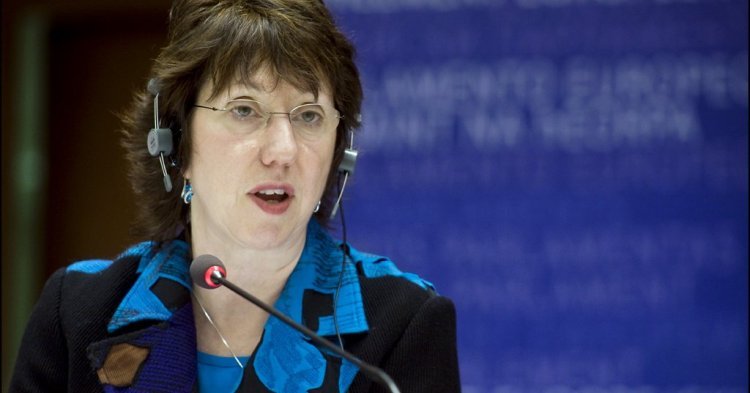
The establishment of this new diplomatic service was provided for by the Treaty of Lisbon, which entered into force on 1st December 2009 together with the new post of High Representative for foreign Affairs and Security Policy held by Ms Catherine Ashton. The same representative is also the head of the EEAS. This new institution will be composed of 1625 staff members: 1114 from the Commission, 411 from the European Council and 100 new jobs filled by officials from the 27 member countries. The budget set for 2010 is 9.5 million Euros.
The first agreements were reached on 9th June 2010 and deal mainly with the funding of the new European diplomatic service. The Treaty of Lisbon determines that EEAS is financed through EU funds with two main exceptions. Firstly: Military missions, which member states are not obliged to take part in and thus to fund. Secondly: the start-up fund for the initial activities of the diplomatic service is funded by member states only after the approval by qualified majority of the European Council. The fact that EEAS depends on EU funds gives a significant control power to the European Parliament as it has also the control over the EU budget. The members of the EP in charge of negotiating for EEAS however, agreed that it has its own administrative budget, which nevertheless remains under the supervision of the EP. Regarding the expenditures for projects and operations to be put in place, they will be part of the Commission budget and therefore are also subject to approval by the EP.
After the final agreements reached on 21st June 2010, only the ratification of the EP is still missing. On 1st July 2010 the parliamentary group leaders were called to decide on the fast tracking the ratification by putting it on the agenda of the next Parliament session in Strasbourg from 5th to 8th July 2010. If it happens, as liberals and centre left would prefer, in autumn EEAS might already be operational.
The European External Action Service will certainly be an important development for the European Union, although dependent on the joint action of the Commission and the European Council and on the approval of the EP. Despite its complicated decision making process, EEAS will be a means to combine the diplomatic work and the know-how of the 27 member states in a common diplomatic body with one representative: the High Representative Ashton. As it was hoped by many supporters of the Treaty of Lisbon, the EEAS is an important advancement for a European Union that can speak on the international scene with one singular voice and therefore with a stronger international influence. The importance of EEAS can be seen in the fact that the EU has tried for a long time to have a common foreign policy. Now, it is time to move forward and to rediscover the political ability of the founding fathers to look ahead in order to build a better future for everybody.






1. On 8 November 2010 at 22:52, by Nico Replying to: EEAS to speak with ’one voice’ and national embassies need to slim down in its wake
Let’s hope that te EEAS will also prompt Member States to dismantle, in the future, most of the consulates and some of their Embassies abroad.
Because, with the implementation of Lisbon, every Member State’s Embassy is obliged to extend the same kind of protection to ANY other EU citizen everywhere in the world. So, for example if I would be fleeing Birma as a tourist because of revolts after elections, and I cannot reach the Belgian embassy because it’s been taken over with arms, I should find refuge and protection in any other Embassy of another EU member state.
In the end, it would be great to have ’Embassies of the European Community’ abroad, since that would save 26x costs for maintaining offices, staffing etc. abroad in every single country. Of course it’s a bit more difficult with federal states (Germany has for each Länder a representation to the EU too).
But what is very important is that also the United Nations can be pressured to accept a single EU delegation to speak on behalf of the 27. The huge problem about that is that the UN currently does not recognize international organizations a chair at the UN Security Council or General Assembly. I wonder whether it requires a ’EU Constitution’ (although we saw how that story failed once before) to convince the UN change its views about that? Would be great indeed
Follow the comments: |
|
